
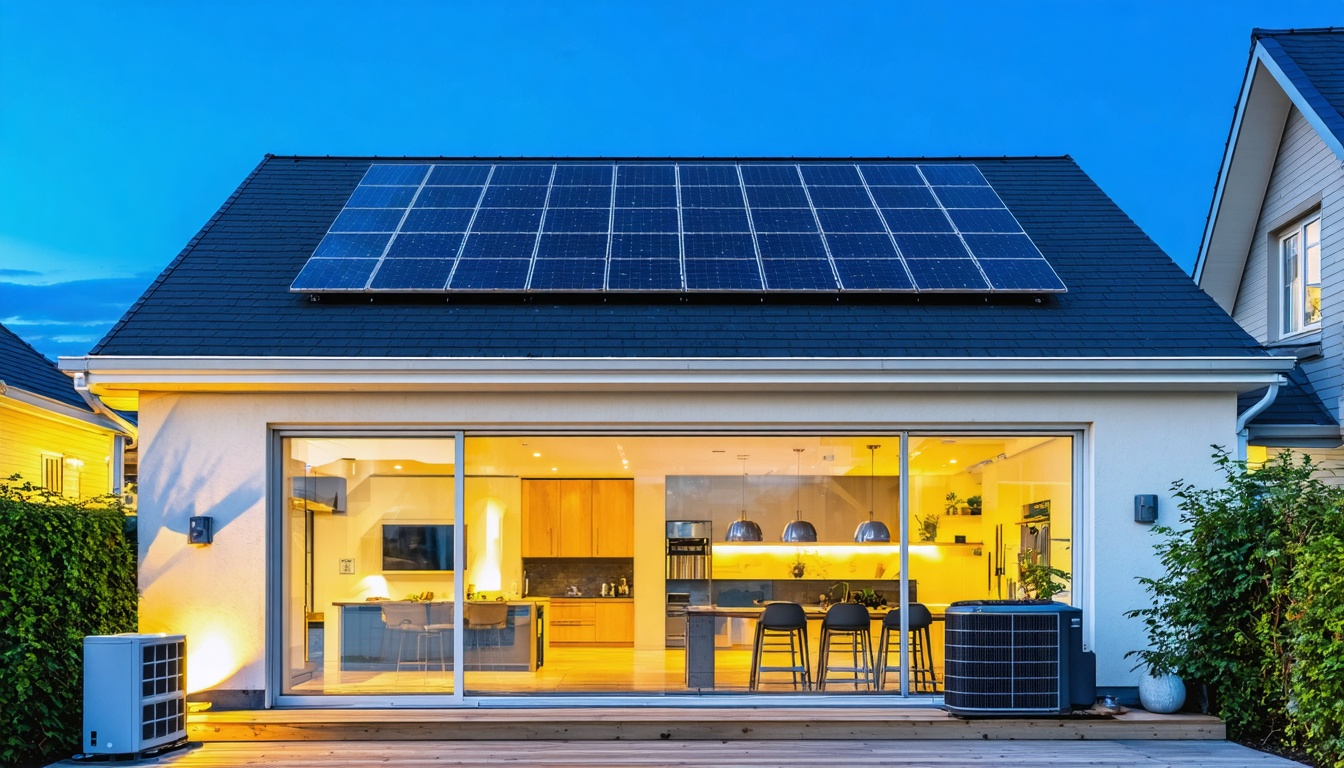
If you aim to enhance the effectiveness of solar panels in your home, prioritizing energy efficiency is essential. Upgrades such as improving insulation and selecting energy-efficient appliances can reduce energy consumption, which, in turn, may lead to lower utility bills and optimal solar energy utilization. Implementing these efficiency measures can contribute to a more comfortable living environment and increase the overall value of your property. Research indicates that homes with better insulation retain heat during colder months and stay cooler in warmer months, thereby lessening the reliance on heating and cooling systems. Furthermore, energy-efficient appliances, which consume less electricity than standard models, complement solar power systems by reducing the overall demand for energy. In summary, taking practical steps to enhance energy efficiency can lead to significant benefits when paired with solar energy solutions, allowing for better performance and potentially greater returns on investment.
Air sealing and insulation upgrades are critical for improving a home's energy efficiency and comfort levels. Effective insulation and sealing techniques can significantly reduce heat loss, which enhances the performance of heating systems, including electric heat pumps and solar panels. Consequently, this can result in lower electricity bills for homeowners.
In York, initiatives such as NYSERDA’s Comfort Home provide financial incentives aimed at encouraging homeowners to implement these efficiency upgrades. Commonly recommended measures include the installation of weatherstripping, recaulking, and enhancing insulation in attics and walls.
These improvements are not only important for energy conservation but also contribute to broader sustainability objectives and environmental protection efforts.
By decreasing dependency on fossil fuels and minimizing carbon emissions, homeowners can effectively reduce their carbon footprint. Furthermore, these upgrades may contribute to an increase in property value while improving indoor air quality.
Overall, investing in air sealing and insulation upgrades is a practical strategy that enhances both economic and environmental conditions in residential properties.
Energy-efficient windows and doors contribute significantly to a home's energy performance, particularly for properties equipped with solar power systems. These upgrades reduce heat loss, which can lower energy bills for households and businesses utilizing solar energy.
The integration of insulated doors alongside efficient windows also improves indoor air quality and contributes to a decreased carbon footprint, aligning with both personal and environmental goals.
In New York, programs such as NYSERDA’s Comfort Home provide financial incentives for homeowners to upgrade to energy-efficient windows and doors. These incentives make such investments more feasible. Some cost-effective enhancements include the installation of storm windows, which can improve insulation, as well as access to technology incentives and possible tax benefits related to energy efficiency.
Additionally, energy-efficient window and door products can enhance the overall performance of solar systems and other sustainable technologies, including heat pumps and water heaters.
By implementing these energy-efficient solutions, homeowners may also increase their property values while supporting a transition towards more sustainable energy practices.
Natural lighting solutions can enhance the efficiency of solar power systems and contribute to improved energy efficacy. The installation of skylights and high-performance windows can facilitate the entry of natural sunlight into interior spaces, potentially decreasing the reliance on artificial lighting. This transition can lead to energy savings and reduced electric expenses for both homeowners and businesses.
Low-emissivity windows are engineered to maximize sunlight absorption while minimizing heat loss. This technology supports energy efficiency and aids in creating comfortable indoor environments, which is an important aspect of sustainable living. Additionally, upgrading windows may align with contemporary technological improvements and can be eligible for various financial incentives, resulting in potential cost reductions.
Incorporating effective daylighting strategies can also enhance indoor air quality and provide the benefits associated with exposure to natural light.
These improvements can significantly increase the overall value of properties not only in New York but also throughout the United States. Overall, the integration of natural lighting solutions with solar power systems represents a pragmatic approach to energy efficiency and is consistent with current sustainability trends.
Water heating accounts for a significant portion of energy consumption in both residential and commercial sectors, often ranking lower in priority compared to heating and cooling systems. The adoption of efficient heat pump water heaters presents an opportunity for substantial energy and cost savings, especially in high-demand regions such as New York. These systems can achieve efficiencies that are approximately three times greater than those of conventional electric or fossil fuel-based water heaters.
Recent developments have allowed for the integration of heat pump water heaters with solar energy systems, further enhancing their operational efficiency and sustainability. In New York, consumers can leverage various incentives, including tax credits and participation in programs like NYS Clean Heat, to offset the initial investment costs associated with these technologies.
Utilizing heat pump water heaters not only leads to reduced energy expenditures but also contributes to lower carbon emissions, thus supporting a more sustainable environment. Additionally, these systems are designed to minimize heat loss, thereby improving overall performance.
This analysis highlights the significance of incorporating water heating efficiency as an essential element of energy management strategies in both residential and commercial environments.
Induction stoves serve as a practical choice for sustainable cooking, especially when paired with solar power systems. These stoves operate with high energy efficiency, which can contribute to a decrease in household energy consumption.
To optimize the benefits of solar energy, homeowners can use induction stoves in conjunction with energy-efficient appliances that meet Energy Star® standards and ensure the use of compatible cookware.
The adoption of induction technology and other energy efficiency improvements can result in lower utility bills, enhance the market value of properties, and support environmental conservation through reduced reliance on fossil fuels.
Additionally, various programs and financial incentives available in regions such as York and across the United States can assist homeowners in offsetting the financial implications of implementing these technologies.
To further reduce carbon emissions, it is recommended that cooking be scheduled around peak sunlight hours when solar energy generation is at its highest.
Homeowners seeking to evaluate potential financial savings from these sustainable practices may find it useful to utilize savings calculators or consult available resources for additional information.
Implementing water conservation strategies in conjunction with solar energy systems enables homeowners to lower their environmental impact and reduce utility costs. The installation of WaterSense labeled bathroom fixtures and low-flow showerheads can significantly decrease the energy needed for water heating, thereby improving the efficiency of solar panel systems.
Investing in modern water heating systems, when paired with energy-efficient appliances and programs, can yield savings on utility bills and reduce dependence on fossil fuels. This is particularly relevant for homeowners in areas such as New York, where solar energy incentives can enhance property value while simultaneously cutting water and energy consumption.
These initiatives not only support environmental sustainability but may also positively affect indoor air quality through the promotion of energy efficiency in homes.
Overall, these strategies illustrate the practical benefits of resource conservation from both economic and ecological perspectives.
Homeowners can enhance their energy efficiency and sustainability through the integration of clean heating and cooling systems, especially when paired with solar power installations. Upgrading to technologies such as heat pumps and smart thermostats can lead to energy savings, improved indoor air quality, and reduced reliance on fossil fuels.
Heat pumps, which include both ground source and air source options, are increasingly being utilized in residential and commercial settings across the United States. These systems serve a dual purpose of providing heating and cooling, which can improve overall comfort levels and potentially increase property value.
In New York State, the NYS Clean Heat Programs offer financial incentives, including tax credits, to help offset the initial costs of these energy efficiency upgrades. The integration of heat pumps with existing or planned solar panel systems can enhance energy utilization, leading to additional cost reductions for homeowners.
Adopting clean heating and cooling technologies contributes to efforts aimed at reducing carbon footprints and supporting environmental sustainability.
These upgrades represent a practical approach to energy management that can offer both economic benefits and environmental improvements.
Integrating solar energy systems with battery storage presents a practical solution for energy management among homeowners. For those considering this option, Solar Battery Installation Services can provide expert guidance and tailored installation services to optimize energy savings. By capturing and storing excess energy generated by solar panels, residents can decrease their reliance on grid electricity. This shift may result in lower utility costs and could potentially enhance property value over time.
In addition to the installation of solar and battery systems, implementing energy-efficient upgrades—including double-pane windows, high-efficiency appliances, and heat pump water heaters—can contribute to further reductions in energy expenses and heat loss within the home.
Various financial incentives, including federal tax credits and state programs like those offered by New York's Green Bank, increase the accessibility of these upgrades for both residents and businesses.
These technologies promote a transition to sustainable living practices, improve indoor air quality, and reduce dependence on fossil fuels, thereby contributing to a lower carbon footprint.
Research indicates that the adoption of renewable energy solutions and efficiency improvements can lead to notable long-term savings and environmental benefits. Consequently, these options are advisable for homeowners aiming to optimize their energy use without relying on speculative benefits.
Energy efficiency upgrades can enhance the effectiveness of a solar power system and lead to reduced energy costs. Implementing measures such as sealing air leaks, improving insulation, and investing in energy-efficient appliances can significantly decrease overall energy consumption. This, in turn, alleviates the demand on a solar power system, allowing it to operate more efficiently. Furthermore, reducing energy consumption through these upgrades can contribute to lowering greenhouse gas emissions, which is beneficial for the environment. The combination of solar energy and energy efficiency creates a more sustainable energy model for residential homes. These improvements do not only have financial benefits but also play a role in advancing long-term energy sustainability. Thus, homeowners considering solar energy may find it advantageous to prioritize energy efficiency measures alongside their solar investment.